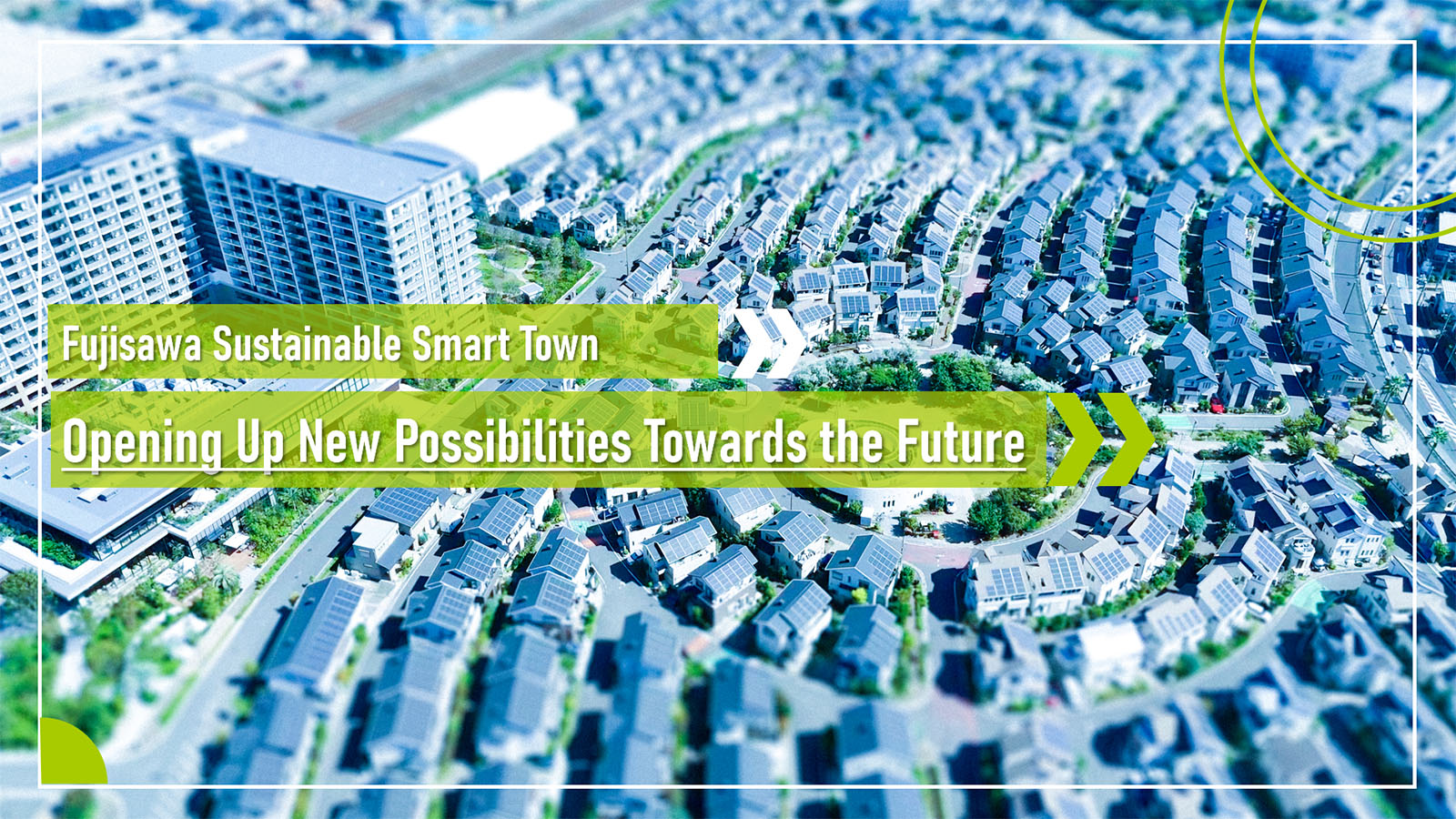
In recent years, there has been growing interest in decentralized decision-making, particularly in the stewardship of “local commons,” shared natural resources, such as land, forests, and ecosystems, that are not owned by the government or private sector.
Naoki Adachi, Founder of Response Ability, Inc., believes that a new social framework can emerge if companies lead efforts to conserve and regenerate local commons through their business activities. He maintains that local commons are becoming a key part of our future, saying “Companies like Panasonic can advocate a nature positive vision to the public and lead efforts to revitalize local commons. That’s a win-win strategy to contribute to society and grow business by finding new business opportunities.”
PHD Technology Division is reframing local commons—traditionally viewed as beyond the reach of business—as essential social infrastructure. The division sees corporate involvement in local ecosystems as a key strategy for achieving the nature positive vision.
The division sees, in particular, that decentralization of energy supply can become a good example of a nature positive social framework. Ogawa explained: “For carbon neutrality and reducing negative impacts on the environment, it is better to produce and use energy locally, decentralizing energy supplies. By sourcing raw materials and producing energy locally as well as sharing energy seamlessly over the grid, energy management becomes easier for society.” He added that “to succeed in this, companies must first transform themselves.”